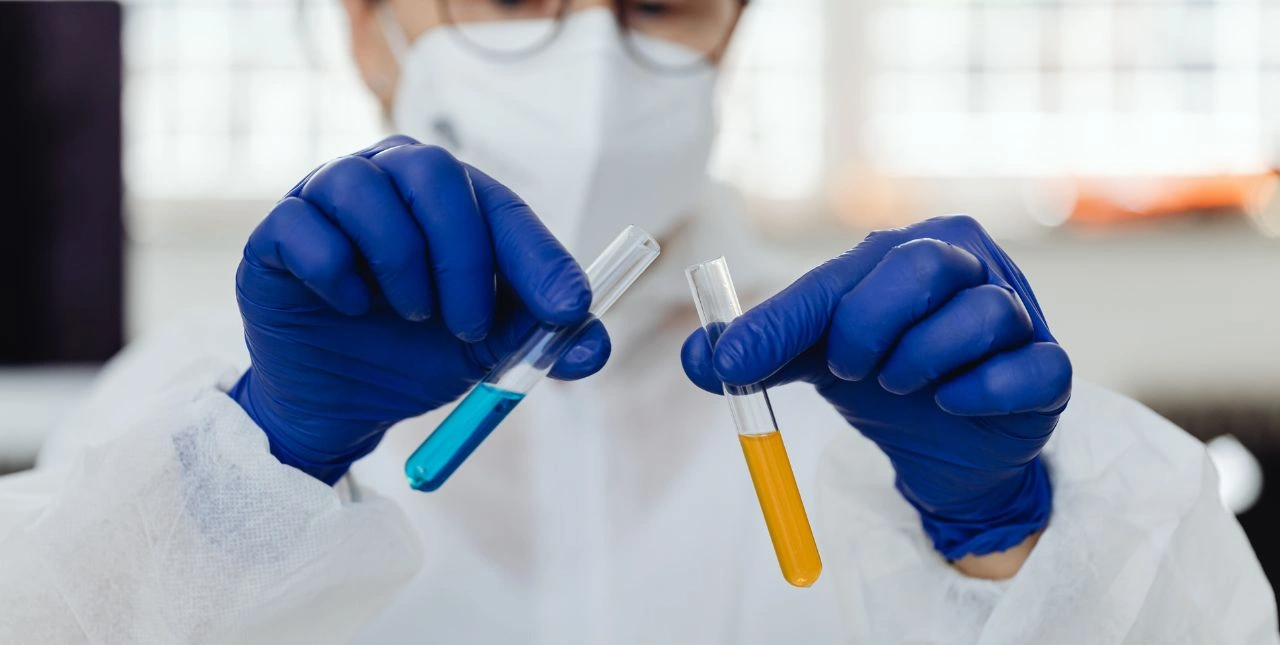
Urine drug testing remains one of the most widely used and trusted methods for detecting drug use in clinical, workplace, and forensic settings. Its reliability, cost-effectiveness, and extensive scientific validation make it a cornerstone of substance use monitoring programs. When combined with confirmation testing, urine drug testing provides accurate results that support informed decision-making and regulatory compliance.
What Is Urine Drug Screening?
Urine drug screening is typically the first step in drug testing. Screening tests are designed to quickly identify the possible presence of drugs or their metabolites above established cutoff levels. These tests are commonly performed using immunoassay technology, which allows laboratories to process large volumes of samples efficiently while delivering rapid results.
Because screening tests prioritize speed and sensitivity, they are ideal for initial evaluations in workplace programs, pain management, substance use treatment, and clinical monitoring.
The Importance of Confirmation Testing
While screening tests are highly effective, positive results are considered presumptive. Certain medications, supplements, or cross-reactive substances can occasionally produce unexpected results. Confirmation testing addresses this limitation by using advanced analytical techniques such as gas chromatography–mass spectrometry (GC-MS) or liquid chromatography–tandem mass spectrometry (LC-MS/MS).
Confirmation testing:
- Identifies specific drugs and metabolites
- Provides precise quantitative results
- Eliminates false positives and false negatives
- Produces legally defensible findings
This two-step approach ensures the highest level of accuracy and confidence in reported results.
Key Benefits of Urine Drug Testing Programs
1. High Accuracy and Reliability
When screening and confirmation testing are used together, urine drug testing offers exceptional accuracy. Confirmed results are scientifically robust and stand up to medical, legal, and regulatory scrutiny.
2. Cost-Effective Testing
Urine drug screening is one of the most affordable testing options available. Its lower cost compared to alternative matrices allows organizations to implement comprehensive testing programs without sacrificing quality.
3. Broad Detection Window
Urine testing detects many substances for one to several days after use, depending on the drug and frequency of use. This makes it particularly effective for identifying recent drug exposure.
4. Non-Invasive and Convenient Collection
Sample collection is simple, minimally invasive, and well accepted by donors. Established chain-of-custody procedures further protect sample integrity and result of validity.
5. Extensive Test Menu
Urine drug testing supports a wide range of drug classes, including opioids, benzodiazepines, amphetamines, cannabinoids, cocaine, and more. Custom panels can be tailored to meet clinical or workplace requirements.
Conclusion
Urine drug screening, when paired with confirmation testing, delivers a balanced approach that combines efficiency with precision. This proven testing strategy minimizes uncertainty, reduces risk, and supports sound clinical and organizational decisions. Whether used for patient care, workplace safety, or compliance monitoring, urine drug testing remains a dependable solution backed by science and experience. For accurate, timely, and reliable diagnostic support, Rushi Laboratory remains a trusted choice for professional urine drug testing and confirmation services.