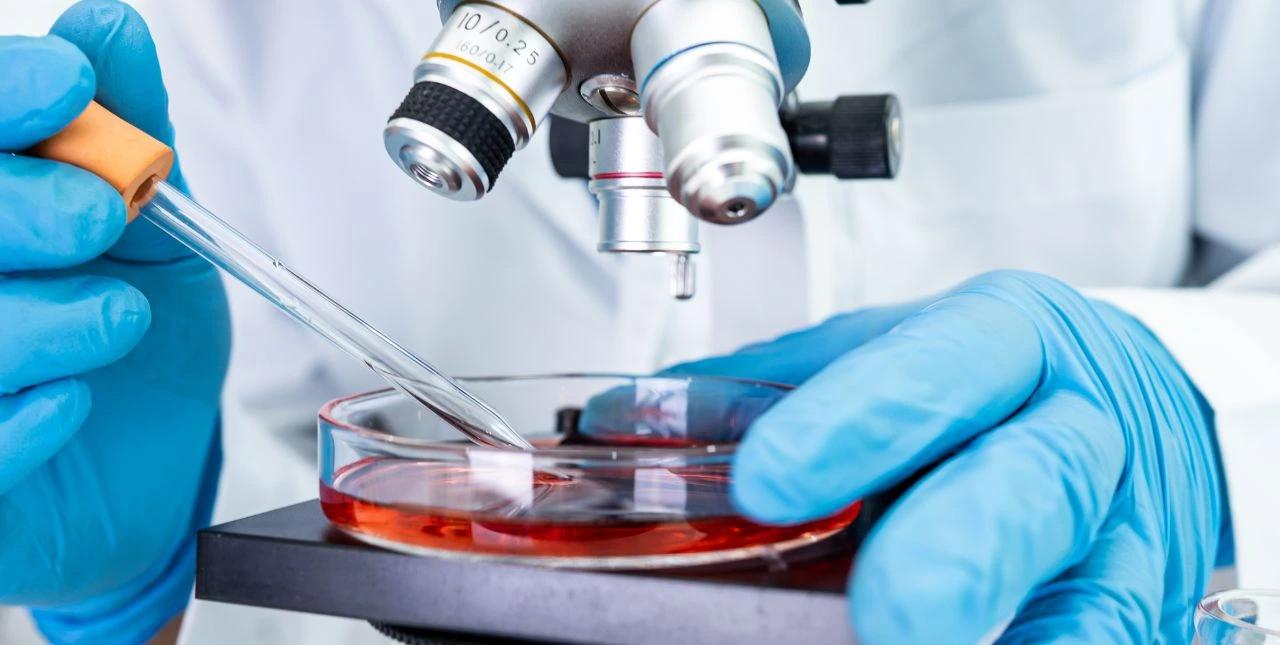
Laboratory drug testing is a scientifically validated process engineered to yield accurate, reliable, and legally defensible results. To an outside observer, providing a urine or biological specimen might seem like a simple routine procedure. Behind the scenes, however, a multi-tiered system of analytical chemistry, automated robotics, and stringent quality control protocols ensures every sample is processed to clinical and legal standards.

From clinical diagnostic environments to pre-employment screenings, drug testing must balance two critical goals: rapid detection and absolute specificity. Achieving both requires a clear understanding of toxicology, biological clearance rates, and high-complexity instrumentation.

1. Specimen Collection and the Chain of Custody Protocol

The integrity of any laboratory drug test depends heavily on the pre-analytical phase. Long before a specimen is loaded into an analyzer, accurate identification and specimen safeguards must be established.

Maintaining Unbroken Chain of Custody

The chain of custody (CoC) is a standardized paper or electronic tracking mechanism that records every individual who handles, transfers, or analyzes a given specimen. This protocol protects against sample tampering, mislabeling, or cross-contamination.

Key elements of a compliant collection process include:

  • Positive Identity Verification: Confirming the donor’s identity via government-issued picture identification.
  • Tamper-Evident Packaging: Utilizing specialized seals across sample containers that visibly indicate if a specimen has been opened prematurely.
  • Chain-of-Custody Documentation: Recording timestamps, collector signatures, and transfer logs for every stage of transit.

Specimen Integrity Validation

Once received by the laboratory, specimens undergo initial checks for validity. Standard urine testing parameters assess physical and chemical properties to confirm the sample is fresh, human, and unadulterated:

  • Temperature Checks: Measuring sample temperature within four minutes of collection (must read between 90°F and 100°F).
  • Creatinine Content: Verifying that creatinine levels match normal human excretion patterns to rule out excessive dilution.
  • pH Levels and Specific Gravity: Testing acidity/alkalinity and particle concentration to identify foreign neutralizing agents or masking chemical compounds.

2. Initial Immunoassay Screening

When the specimen passes initial validity checks, it moves into the primary testing tier: immunoassay screening.

Mechanism of Immunoassay Technology

Immunoassays rely on the interactions of antibodies and antigens. The test reagent contains synthetic antibodies engineered to bind specifically to target drugs or their primary metabolic byproducts (metabolites).

Screening methodologies, such as the IMMTOX 270 immunoassay platform, automate this process for large-scale sample runs. When a drug metabolite is present in the sample, it competes with a labeled drug conjugate to bind with the target antibody. This interaction produces a measurable change—such as light absorbance or fluorescence—that the automated analyzer quantifies.

Purpose and Limitations of Preliminary Screening

Initial immunoassay testing serves as a rapid, highly sensitive preliminary screen. It is designed to quickly distinguish between negative samples and those requiring further investigation.

  • High Sensitivity: Immunoassays are tuned to detect low levels of substances to ensure potential drug exposure is not missed.
  • Turnaround Efficiency: High-throughput screening allows laboratories to clear negative specimens rapidly, often within 24 hours.
  • Cross-Reactivity Factor: Because antibody binding relies on molecular shape, chemically similar compounds—such as over-the-counter decongestants or prescribed medications—can occasionally bind to antibodies, generating a preliminary positive reading. As a result, screening results are classified as “presumptive positive” until confirmed.

3. High-Complexity Confirmation Testing

A presumptive positive result on an immunoassay screening triggers secondary confirmatory testing. Confirmatory techniques isolate and identify the exact molecular structure of substances within the sample, eliminating false positives caused by cross-reactivity.

Gas Chromatography-Mass Spectrometry (GC-MS)

Historically considered the baseline for definitive testing, GC-MS combines two distinct analytical capabilities:

  • Gas Chromatography: Volatilizes the liquid sample into a gas phase, separating its chemical components based on their passage speed through a specialized column.
  • Mass Spectrometry: Takes the separated components, breaks them into ionized fragments using electron beams, and measures their specific mass-to-charge ratios.

This process yields a unique spectral fingerprint for every compound, allowing toxicologists to identify specific drugs without ambiguity.

Liquid Chromatography-Tandem Mass Spectrometry (LC-MS/MS)

While GC-MS remains effective, modern high-complexity toxicology facilities increasingly rely on Liquid Chromatography-Tandem Mass Spectrometry (LC-MS/MS) for advanced confirmation.

LC-MS/MS provides key technical advantages:

  • No High Heat Required: Unlike GC-MS, LC-MS/MS processes samples in a liquid state, eliminating the need to vaporize compounds. This allows the lab to analyze heat-sensitive, highly polar, or heavy biological compounds directly.
  • Tandem Mass Analysis (MS/MS): Uses two sequential mass spectrometers separated by a collision cell. The first spectrometer isolates the target parent molecule; the collision cell breaks it into characteristic product ions; and the second spectrometer analyzes those specific fragments.
  • Sub-Nanogram Precision: LC-MS/MS detects targeted analytes at extremely low threshold concentrations while maintaining near-zero susceptibility to matrix interference.

+——————+ +——————-+ +——————–+
| Liquid Sample | –> | Liquid Column | –> | Mass Spec #1 |
| Preparation | | Separation (LC) | | Isolates Parent |
+——————+ +——————-+ +——————–+
|
+——————+ +——————-+ v
| Final Analytical | <– | Mass Spec #2 | <– | Collision Cell |
| Detection | | Fragment Analysis | | Molecular Breakdown|
+——————+ +——————-+ +——————–+

4. Quality Assurance and Regulatory Compliance

Precision instrumentation alone does not guarantee defensible toxicology data; rigorous quality management must oversee every step of the analytical workflow.

Instrument Calibration and Blind Quality Control

Before running patient or employee samples, analytical instruments undergo routine multi-point calibration using certified reference materials with precise, known drug concentrations.

Throughout each operational batch, the laboratory runs several quality control (QC) samples:

  • Negative Controls: Blank samples designed to confirm that reagents and columns are free of residual contamination.
  • Positive Controls: Samples loaded with exact concentrations above and below cutoff limits to confirm instrument accuracy.
  • Blind Standards: Control samples inserted randomly into test runs without the operator’s knowledge to assess systemic consistency.

Certified Laboratory Expertise

Translating instrument output into actionable clinical or administrative data requires human oversight. Medical Technologists, Ph.D. toxicologists, and certifying scientists evaluate chromatographic peaks, baseline noise, retention times, and ion ratios before signing off on final reports. This layered review ensures that reported results meet regulatory standards and are defensible in medical or administrative proceedings.

Conclusion

Understanding the multi-stage science of laboratory drug testing highlights why certified laboratory analysis remains the definitive standard for drug detection. By pairing high-throughput immunoassay screening with advanced LC/MS/MS confirmation techniques, modern laboratories provide clear, actionable results that support healthcare decisions, workplace safety, and compliance requirements.

At Rushi Laboratory, our executive leadership team and Ph.D. scientists combine technical expertise with advanced analytical instrumentation to ensure accurate, timely, and legally defensible testing solutions. Contact (973)-506-4444 to learn more about our comprehensive screening and confirmation capabilities.
Recovery from substance use disorders (SUD) is an intricate, deeply personal journey. Effective addiction treatment integrates behavioral therapies, medical evaluations, counseling, and continuous clinical support. Within this multi-faceted framework, objective laboratory testing serves as an indispensable tool for healthcare providers, clinical directors, and care teams.

Rather than acting as a punitive check, modern therapeutic drug monitoring provides objective clinical data. When utilized correctly, routine toxicology testing enhances patient safety, measures therapeutic compliance, encourages open dialogue between patients and clinicians, and helps tailor evidence-based treatment plans to individual needs.

1. Why Drug Monitoring Matters in Clinical Practice

Substance use disorders are chronic, relapsing medical conditions that alter brain chemistry and behavioral patterns. Consequently, managing an SUD requires the same level of diagnostic precision and monitoring as other chronic health conditions, such as diabetes or hypertension.

A Tool for Therapeutic Support, Not Punishment

Historically, drug testing was sometimes viewed through a strictly disciplinary lens. In modern clinical settings, however, routine drug monitoring is recognized as a therapeutic diagnostic tool.

Key benefits of therapeutic drug monitoring include:

  • Objective Progress Tracking: Providing a clear, bio-chemical picture of a patient’s journey over time, celebrating milestones of abstinence, and identifying early signals of potential relapse.
  • Encouraging Transparency: Reducing the shame or hesitation patients might feel when discussing accidental exposure, cravings, or slips, using objective lab data as a conversation starter.
  • Individualizing Care: Allowing medical directors to adjust counseling intensity, dosage levels, or behavioral interventions based on concrete diagnostic trends.


Routine Specimen
Collection
→
High-Complexity
Lab Analysis
→
Objective Data
Generation

↓

Adjust Treatment
& Support Level
←
Compassionate
Clinical Review
←
Patient-Clinician
Dialogue


2. Supporting Medication-Assisted Treatment (MAT)

Medication-Assisted Treatment (MAT) combines FDA-approved medications with behavioral therapy to treat substance use disorders, particularly Opioid Use Disorder (OUD) and Alcohol Use Disorder (AUD). Pharmacotherapies such as buprenorphine, methadone, and naltrexone help normalize brain chemistry, block euphoric effects, and relieve physiological cravings.

Monitoring Adherence to Prescribed Therapies

For MAT programs to succeed safely, clinicians must verify that patients are taking their prescribed therapeutic medications as directed. Specialized laboratory panels test for specific parent drugs and their primary metabolites (e.g., detecting norbuprenorphine to confirm buprenorphine metabolism).

Testing confirms:

  • Therapeutic Compliance: Ensuring the patient is consistently ingesting their prescribed medication rather than under-dosing or diverting doses.
  • Proper Metabolism: Assisting clinicians in evaluating whether a patient metabolizes medications rapidly or slowly, guiding safe dosage adjustments.

Preventing Dangerous Drug Interactions

Patients in recovery may inadvertently or intentionally encounter other substances that pose severe health risks when combined with MAT medications. For instance, combining prescribed buprenorphine or methadone with unprescribed central nervous system depressants—such as benzodiazepines, alcohol, or illicit opioids—significantly increases the risk of respiratory depression and overdose.

Therapeutic drug monitoring provides care teams with immediate visibility into co-ingested substances, allowing physicians to intervene, adjust treatment protocols, and prevent adverse events before they become life-threatening.

3. High-Complexity Laboratory Methods in Addiction Medicine

Accurate clinical decision-making relies entirely on the precision of the underlying laboratory data. Because medical decisions directly impact a patient’s treatment plan, clinical laboratories employ a sophisticated, two-tier testing methodology.

Tier 1: Initial Immunoassay Screening

The monitoring process typically begins with an automated immunoassay screen, such as the IMMTOX 270 immunoassay platform. Immunoassays use target antibodies to detect specific classes of drugs or metabolites in urine specimens.

  • Speed and Efficiency: High-throughput automation delivers fast preliminary screens, allowing treatment centers to quickly clear negative samples.
  • Presumptive Status: Immunoassays measure broad drug classes. Because structurally similar over-the-counter or prescription medications can cross-react with screening antibodies, positive results at this stage are classified as “presumptive positives.”

Tier 2: Definitive LC/MS/MS Confirmation

To make definitive clinical adjustments, presumptive positive results advance to quantitative confirmation using Liquid Chromatography-Tandem Mass Spectrometry (LC-MS/MS).

LC/MS/MS testing provides unmatched clinical clarity:

  • Molecular Specificity: Isolates the exact chemical structure of drugs and their specific metabolites, distinguishing between legitimately prescribed medications and illicit analogues.
  • Sub-Nanogram Sensitivity: Detects trace levels of substances that might fall below standard screening cutoffs, identifying early relapse risks before full behavioral setbacks occur.
  • Elimination of False Positives: Removes cross-reactivity interference completely, ensuring clinicians base treatment adjustments on definitive, scientifically verified findings.

4. Specimen Integrity and Quality Assurance Standards

To maintain trust between patients, care providers, and laboratories, strict quality control procedures oversee sample processing from collection to reporting.

Specimen Validity Testing (SVT)

Before analyzing samples for specific substances, laboratories perform Specimen Validity Testing to confirm that the urine sample is human, fresh, and free from interfering substances:

  • Creatinine Concentration: Evaluates kidney filtration byproducts to identify abnormally diluted samples (which can mask low substance levels).
  • pH and Specific Gravity: Measures acidity and concentration levels to detect neutralizing chemicals, synthetic urine, or foreign adulterants.
  • Oxidants and Glutaraldehyde: Checks for commercial masking agents engineered to destroy drug metabolites in vitro.

Rigorous Laboratory Controls

High-complexity toxicology laboratories adhere to strict regulatory standards, utilizing certified reference standards, blind quality control samples, and daily instrument calibrations. Ph.D. scientists and certified medical technologists review chromatographic peaks and spectral data, verifying every quantitative result before sending final diagnostic reports to the ordering facility.

5. A Patient-Centered, Compassionate Approach to Recovery

While laboratory technology provides precise chemical data, test results are most effective when integrated into a compassionate, patient-centered care framework. A positive toxicology result should not be viewed as a failure, but rather as a clinical indicator that a patient requires additional support, modified therapy, or adjusted dosage levels.

Integrating Lab Results into Holistic Care

Care providers use objective toxicology findings alongside:

  • Detailed patient medical histories and physical exams
  • Behavioral and psychological assessments
  • Individual and group counseling progress reports
  • Direct, non-judgmental patient discussions

When patients understand that drug monitoring is implemented to protect their health, prevent accidental overdoses, and guide safe treatment, testing transforms into a collaborative tool that strengthens the therapeutic alliance.

Conclusion

Drug monitoring is a vital, evidence-based pillar of modern addiction treatment programs. By combining fast immunoassay screening with definitive LC/MS/MS confirmation testing, clinical laboratories provide addiction medicine specialists with the precise, reliable data needed to monitor MAT compliance, prevent dangerous drug interactions, and support long-term recovery.

At Rushi Laboratory, our Ph.D.-led scientific team and executive leadership are dedicated to supporting healthcare providers, rehabilitation centers, and clinical practices with high-complexity drug screening and confirmation services. Contact us today at (973)-506-4444 to discover how our tailored testing panels and dependable reporting can enhance your clinical care goals.

Urine drug testing remains one of the most widely used and trusted methods for detecting drug use in clinical, workplace, and forensic settings. Its reliability, cost-effectiveness, and extensive scientific validation make it a cornerstone of substance use monitoring programs. When combined with confirmation testing, urine drug testing provides accurate results that support informed decision-making and regulatory compliance.

What Is Urine Drug Screening?

Urine drug screening is typically the first step in drug testing. Screening tests are designed to quickly identify the possible presence of drugs or their metabolites above established cutoff levels. These tests are commonly performed using immunoassay technology, which allows laboratories to process large volumes of samples efficiently while delivering rapid results.

Because screening tests prioritize speed and sensitivity, they are ideal for initial evaluations in workplace programs, pain management, substance use treatment, and clinical monitoring.

The Importance of Confirmation Testing

While screening tests are highly effective, positive results are considered presumptive. Certain medications, supplements, or cross-reactive substances can occasionally produce unexpected results. Confirmation testing addresses this limitation by using advanced analytical techniques such as gas chromatography–mass spectrometry (GC-MS) or liquid chromatography–tandem mass spectrometry (LC-MS/MS).

Confirmation testing:

  • Identifies specific drugs and metabolites
  • Provides precise quantitative results
  • Eliminates false positives and false negatives
  • Produces legally defensible findings

This two-step approach ensures the highest level of accuracy and confidence in reported results.

Key Benefits of Urine Drug Testing Programs

1. High Accuracy and Reliability
When screening and confirmation testing are used together, urine drug testing offers exceptional accuracy. Confirmed results are scientifically robust and stand up to medical, legal, and regulatory scrutiny.

2. Cost-Effective Testing
Urine drug screening is one of the most affordable testing options available. Its lower cost compared to alternative matrices allows organizations to implement comprehensive testing programs without sacrificing quality.

3. Broad Detection Window
Urine testing detects many substances for one to several days after use, depending on the drug and frequency of use. This makes it particularly effective for identifying recent drug exposure.

4. Non-Invasive and Convenient Collection
Sample collection is simple, minimally invasive, and well accepted by donors. Established chain-of-custody procedures further protect sample integrity and result of validity.

5. Extensive Test Menu
Urine drug testing supports a wide range of drug classes, including opioids, benzodiazepines, amphetamines, cannabinoids, cocaine, and more. Custom panels can be tailored to meet clinical or workplace requirements.

Conclusion

Urine drug screening, when paired with confirmation testing, delivers a balanced approach that combines efficiency with precision. This proven testing strategy minimizes uncertainty, reduces risk, and supports sound clinical and organizational decisions. Whether used for patient care, workplace safety, or compliance monitoring, urine drug testing remains a dependable solution backed by science and experience. For accurate, timely, and reliable diagnostic support, Rushi Laboratory remains a trusted choice for professional urine drug testing and confirmation services.

Urine drug screening is a valuable and widely used tool in clinical care, workplace testing, and compliance programs. While screening tests provide fast and cost-effective results, they are designed to be highly sensitive rather than perfectly specific. As a result, false positives can occur. Understanding why false positives happen—and why confirmation testing is critical—helps ensure accurate, fair, and defensible drug testing results.

What Is a False Positive?

A false positive occurs when a urine drug screening test indicates the presence of a drug or drug class that is not actually present in the specimen. Screening tests typically use immunoassay technology, which detects substances based on antibody reactions. While this approach allows for rapid processing and broad detection, it can sometimes react with substances that are chemically similar to the targeted drug.

False positives do not mean that testing is flawed; rather, they reflect the intentional design of screening tests to avoid missing true drug use. This is why screening results are considered presumptive until confirmed.

Common Causes of False Positives

False positives may result from a variety of legitimate sources, including:

  • Prescription medications such as certain antidepressants, antibiotics, or pain medications
  • Over-the-counter products including cold medications or sleep aids
  • Dietary supplements or herbal products
  • Metabolic byproducts that share chemical similarities with targeted drugs

Because new medications and formulations enter the market regularly, cross-reactivity remains a known and manageable aspect of urine drug screening.

Why Confirmation Testing Is Essential

Confirmation testing is the definitive step in urine drug testing. Using highly specific technologies such as gas chromatography–mass spectrometry (GC-MS) or liquid chromatography–tandem mass spectrometry (LC-MS/MS), confirmation testing precisely identifies individual drugs and their metabolites.

Confirmation testing:

  • Differentiates true drug presence from cross-reactive substances
  • Provides exact identification and concentration levels
  • Eliminates false positives and false negatives
  • Produces results that are legally and medically defensible

Without confirmation of testing, decisions may be made based on incomplete or misleading information.

Protecting Patients, Employees, and Organizations

Relying solely on screening results can have serious consequences. In clinical settings, false positives may affect treatment decisions or patient trust. In workplace or legal environments, they can impact employment status, compliance determinations, or legal outcomes.

Conclusion

False positives are a known and manageable aspect of urine drug screening, not a failure of the testing process. When screening is paired with confirmation testing, urine drug testing becomes a highly accurate and reliable tool. This comprehensive approach ensures that results are based on scientific certainty rather than assumption—supporting informed decisions in clinical, workplace, and compliance settings. For accurate screening and confirmation services you can trust, Rushi Labs provides reliable diagnostic testing backed by advanced technology and professional expertise.

Preventive care is essential for maintaining long-term health and well-being, and routine drug screening plays a crucial role in early detection and intervention. Whether for workplace safety, medical treatment, or personal health monitoring, drug screening for preventive care helps identify substance misuse before it leads to severe physical, mental, or social consequences.

Early Detection Saves Lives

Regular drug screenings can detect the presence of illicit or prescription drugs, allowing healthcare providers to intervene early. Substance abuse often starts subtly but can escalate into addiction, organ damage, or mental health disorders. Early identification through routine testing enables timely counseling, treatment, or rehabilitation, reducing the risk of long-term harm. Drug screening for preventive care is the best way to early detection of addiction.

Supporting Chronic Disease Management

For patients on long-term opioid or other controlled medications, routine drug screening ensures compliance with prescribed regimens and prevents misuse. It also helps physicians monitor for dangerous drug interactions or unauthorized substance use that could compromise treatment effectiveness.

Promoting Workplace and Public Safety

In occupational settings, drug screening enhances safety by reducing impairment-related accidents. Industries like healthcare, transportation, and construction benefit from ensuring employees are free from substances that could endanger themselves or others.

Encouraging Accountability and Healthy Choices

Knowing that routine screenings may occur encourages individuals to make healthier decisions regarding substance use. For adolescents and high-risk populations, regular testing can serve as a deterrent against drug experimentation and addiction.

Conclusion

Routine drug screening is a proactive tool in preventive care, safeguarding individual health, improving treatment outcomes, and protecting communities. By integrating regular screenings into healthcare and workplace policies, we can address substance abuse early and foster a healthier society.

Prioritize prevention—schedule a drug screening today. 

A safe, productive, and efficient workplace is the foundation of any successful business. One key factor in maintaining this environment is occupational drug testing, which helps employers ensure a drug-free workforce, reduce risks, and promote overall well-being.

Enhancing Workplace Safety

Substance abuse significantly increases the risk of workplace accidents, injuries, and fatalities, especially in high-risk industries like construction, manufacturing, and transportation. Routine drug testing helps identify employees who may be impaired on the job, preventing dangerous incidents and protecting both workers and employers from liability.

Boosting Productivity and Performance

Employees under the influence of drugs or alcohol are more likely to exhibit poor judgment, decreased focus, and higher absenteeism. By implementing drug testing, companies can deter substance abuse, leading to a more reliable and efficient workforce. A drug-free environment fosters better teamwork, higher morale, and improved job performance.

Reducing Legal and Financial Risks

Workplace drug testing helps companies comply with federal and state regulations, particularly in safety-sensitive industries. Failure to enforce drug-free policies can result in costly lawsuits, workers’ compensation claims, and damage to a company’s reputation. Proactive testing minimizes these risks while demonstrating a commitment to employee health and legal compliance.

Supporting Employee Health and Recovery

Drug testing isn’t just about enforcement—it’s also about early intervention. Employers who offer Employee Assistance Programs (EAPs) alongside drug testing can help workers struggling with substance abuse access counseling and rehabilitation. This approach not only saves careers but also strengthens loyalty and retention.

Building a Culture of Accountability and Trust

A clear drug-free workplace policy, supported by regular testing, sets expectations and promotes accountability. Employees appreciate working in an environment where safety and professionalism are prioritized, leading to higher job satisfaction and a stronger company culture.

Conclusion

Occupational drug testing is a powerful tool for creating a safer, more productive, and legally compliant workplace. By deterring substance abuse, supporting employee health, and reducing risks, businesses can build a stronger, more resilient workforce. Investing in a robust drug testing program isn’t just about compliance—it’s about protecting people and driving success.

Want to strengthen your workplace? Consider implementing a drug testing program today.